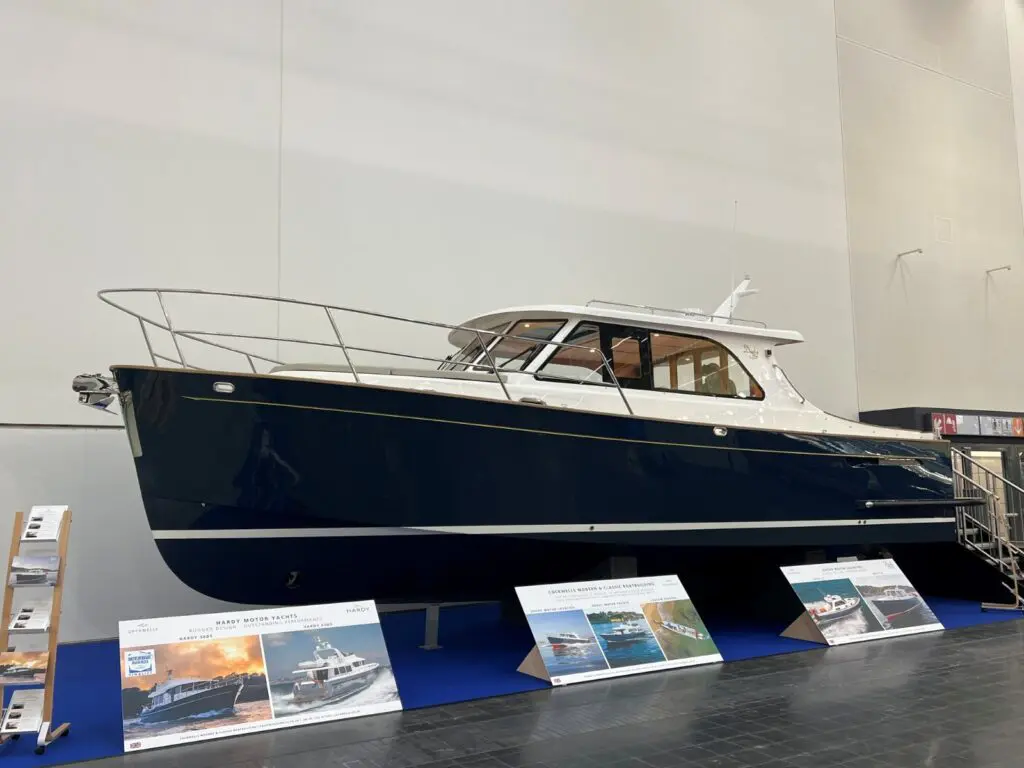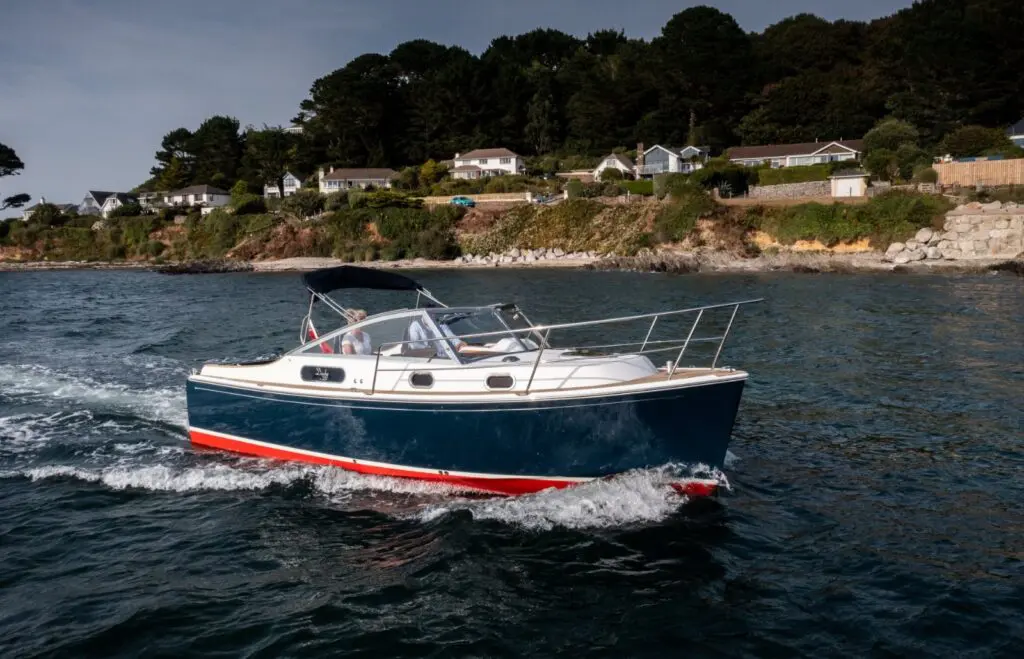
The short answer: a marine propulsion system is the machinery that turns stored energy into thrust to move a vessel — usually an engine driving a propeller, water jet or pod. On recreational boats the common types are petrol or diesel inboards with shaft drives, sterndrives (leg drives), outboards, pod drives such as Volvo Penta IPS, and water jets; commercial and naval vessels add gas turbines, diesel-electric and, on some warships and icebreakers, nuclear plants. Sail and hybrid electric drives are the alternatives.
| Propulsion type | How it works | Typically found on |
|---|---|---|
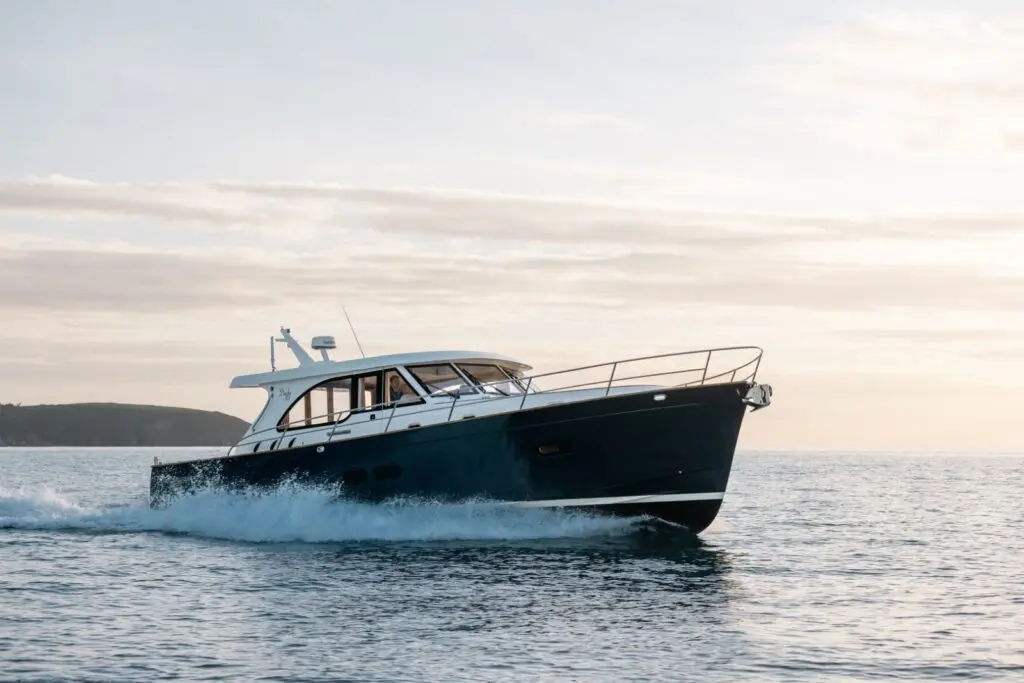
| Shaft drive (inboard) | Inboard engine turns a fixed propeller shaft through a gearbox | Flybridge cruisers, trawlers, motor yachts over about 12 m |
| Sterndrive (leg drive) | Inboard engine drives a steerable outdrive leg on the transom | Sports cruisers and bowriders under about 12 m |
| Outboard | Self-contained engine and drive bolted to the transom | Centre consoles, tenders, fishing boats, many new sports boats |
| Pod drive (IPS, Zeus) | Steerable underwater pods with joystick docking control | Modern motor yachts from about 12 m up |
| Water jet | Impeller draws water in and pushes it out a steerable nozzle | Jet skis, tenders, fast ferries |
| Diesel-electric / hybrid | Engine generates electricity for electric motors, often with batteries | Ships, ferries, a growing number of launches and superyachts |
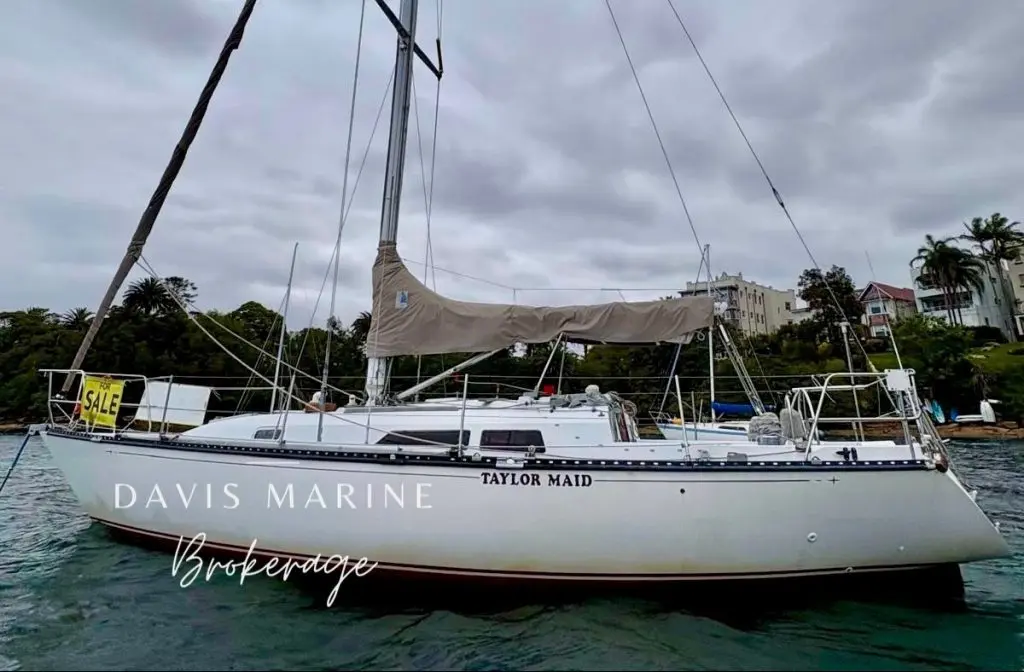
| Sail | Wind on sails, with an auxiliary engine | Sailing yachts and traditional craft |
The guide below, from Sam Davis at Davis Marine Brokerage in Mosman, Sydney, defines each system and where it is used.
Marine propulsion is all about how we move ships through the water. Nowadays, there are various types of propulsion systems to choose from. In this article, we’ll take a quick look at the different methods available and how they operate. But first, let’s define what marine propulsion really means.
What is a marine propulsion system?
Marine propulsion is the tech that makes boats and ships move through the water. It all comes down to Newton’s third law of motion – for every action, there’s an equal and opposite reaction.
With marine propulsion, the propulsion device (like a propeller or fan) applies a force to the water or air around the boat. That creates a reaction force that pushes the boat in the same direction. As long as that reaction force is strong enough, it’ll make the boat move.
What are the different types of marine propulsion Systems?
Steam Turbine propulsion
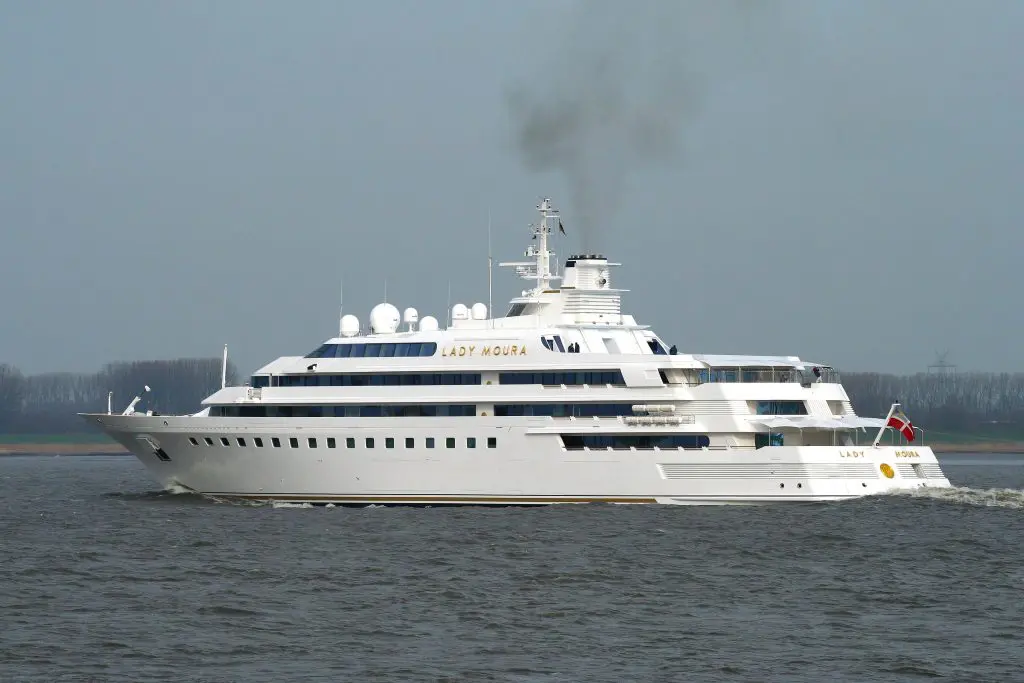
This is where you use coal or other fuels to generate steam, and that steam power spins the turbines to move the ship. This was a really common way to propel vessels back in the late 1800s and early 1900s.
Diesel Engines
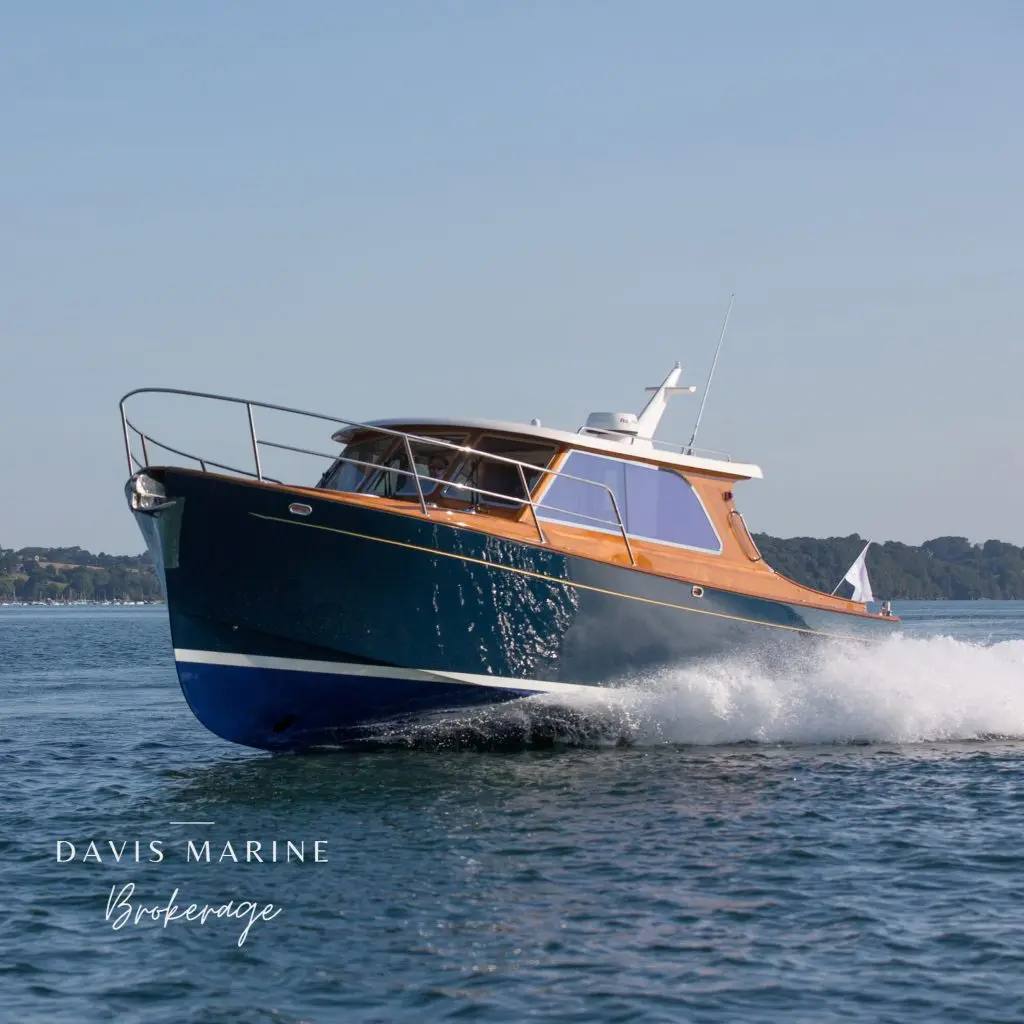
Diesel power is pretty much the standard these days when it comes to how boats and ships get moving. The diesel propulsion system uses the mechanical energy from thermal forces to make the boat go, and you’ll find it in all kinds of vessels – from massive cargo ships down to little recreational boats.
Diesel-Electric propulsion system
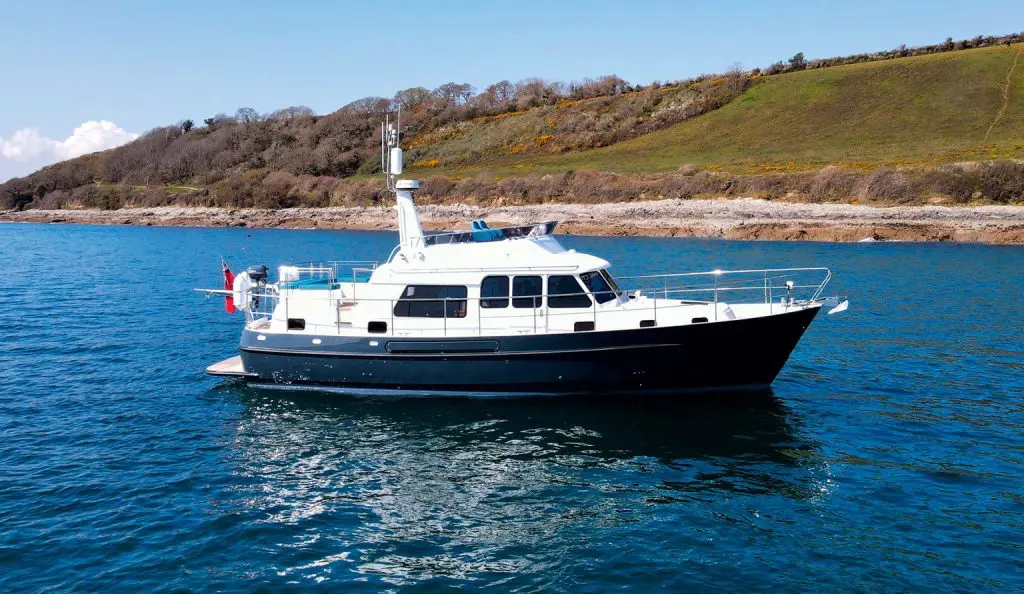
Diesel-electric propulsion uses a combination of a diesel engine and an electric generator to power the ship. This hybrid approach has been around since the early 1900s, and is commonly used in submarines and cargo ships today.
Wind propulsion system
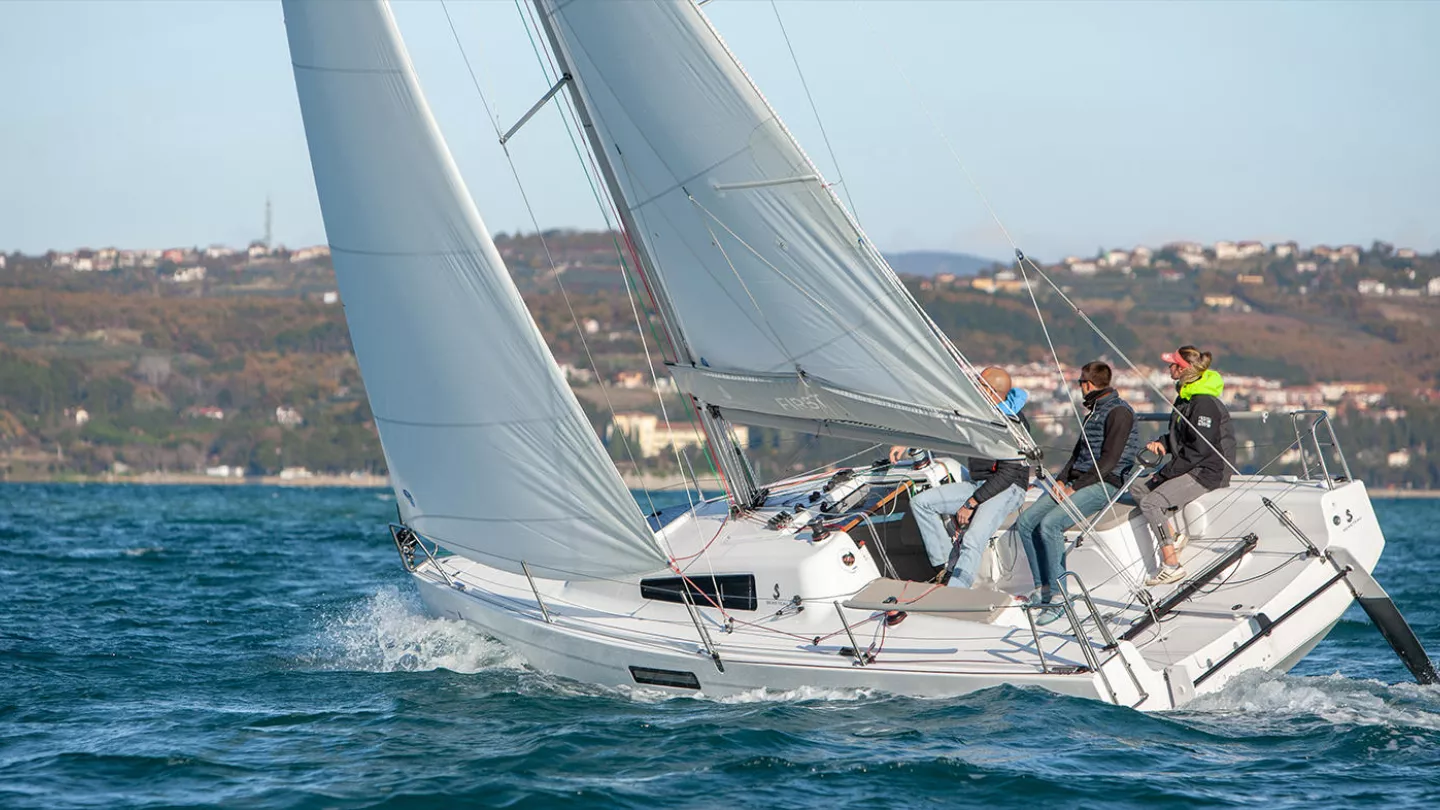
Wind propulsion has emerged as an alternative to CO2-heavy marine propulsion systems. However, the use of wind turbine propulsion has not become widespread on large commercial ships due to the need for constant windy conditions. Two wind propulsion systems seeing more use on merchant ships lately are kite propulsion and sail propulsion.
Nuclear propulsion system
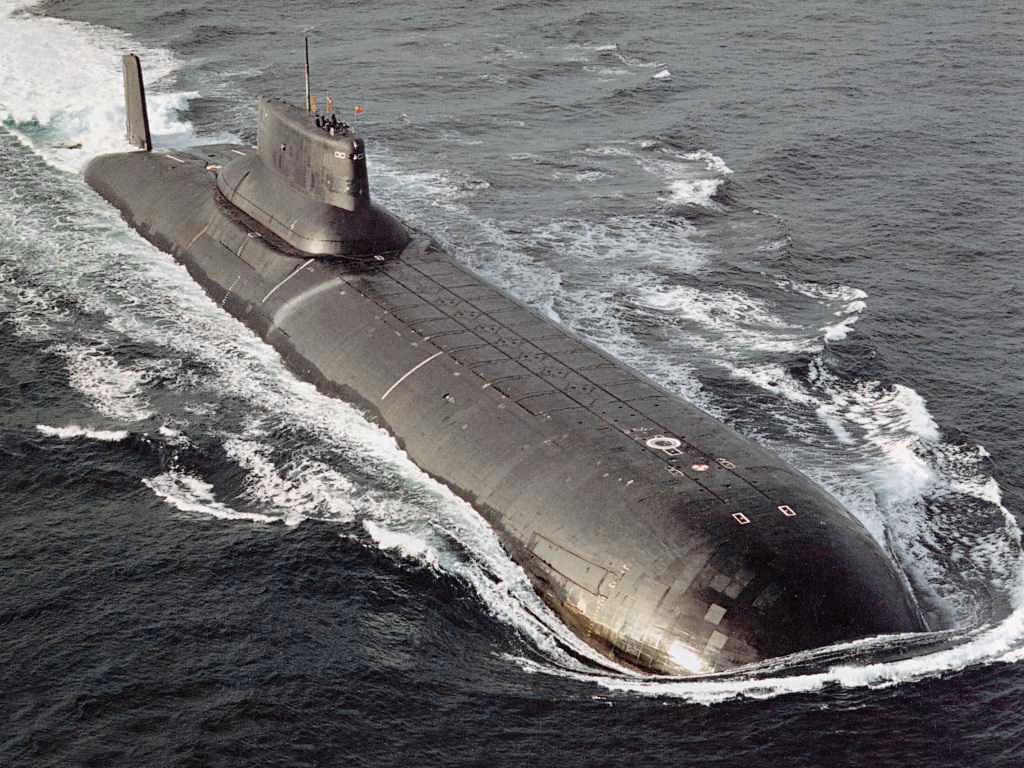
Nuclear propulsion is used on some naval ships. It uses the nuclear fission process, with reactors and other complex equipment to fuel the vessel. The nuclear reactors also generate electricity for the ship. Some merchant ships are starting to incorporate this nuclear propulsion system as well.
Gas turbine propulsion system
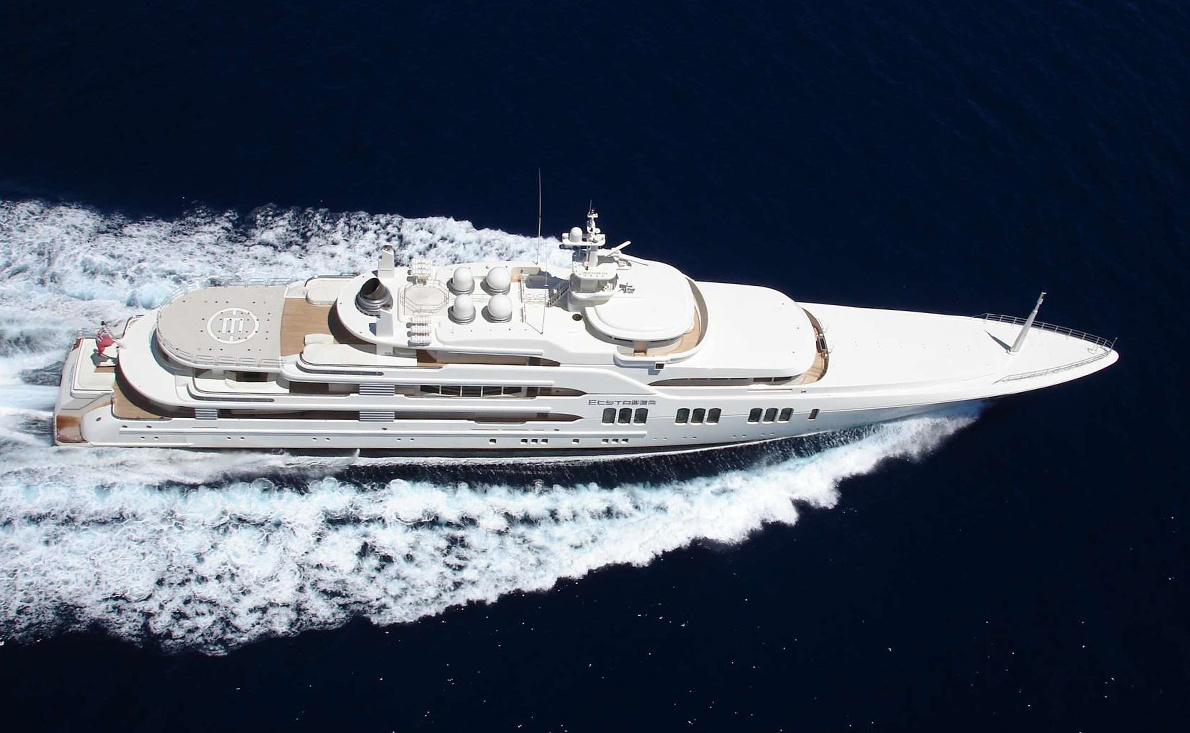
Gas turbine propulsion is used in both naval and civilian ships. For naval vessels, the gas turbine system allows for faster speeds, which is crucial if the ship needs to quickly evade an attack.
Fuel cell propulsion system
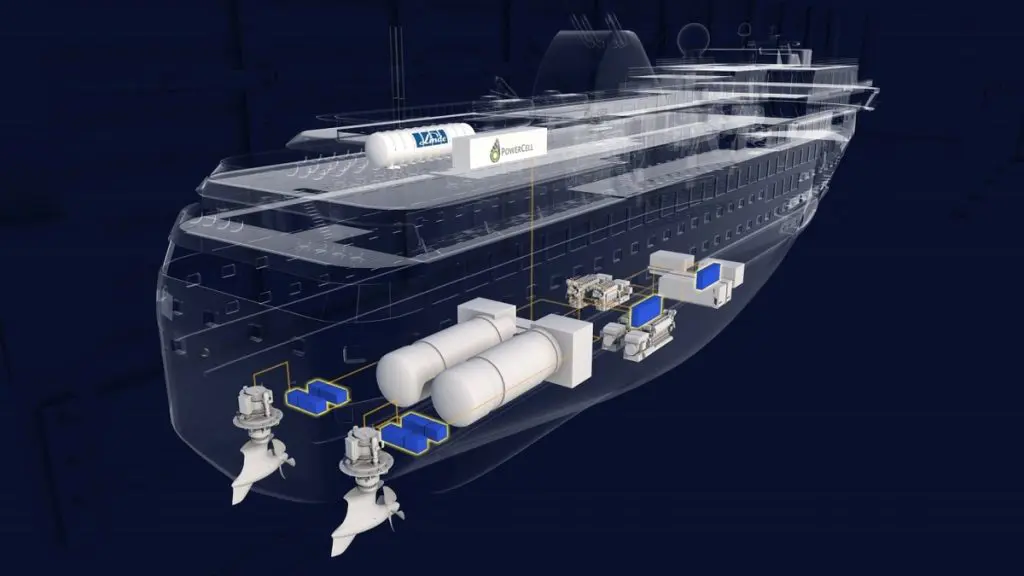
Fuel cell marine propulsion systems use hydrogen to generate electricity for powering the vessel, without any combustion involved. It’s a clean, efficient process that’s considered a promising alternative to conventional marine propulsion methods. Different fuel cell technologies like PEM (Proton-Exchange-Membrane) and molten-carbonate are being explored and utilised for this purpose.
Solar propulsion
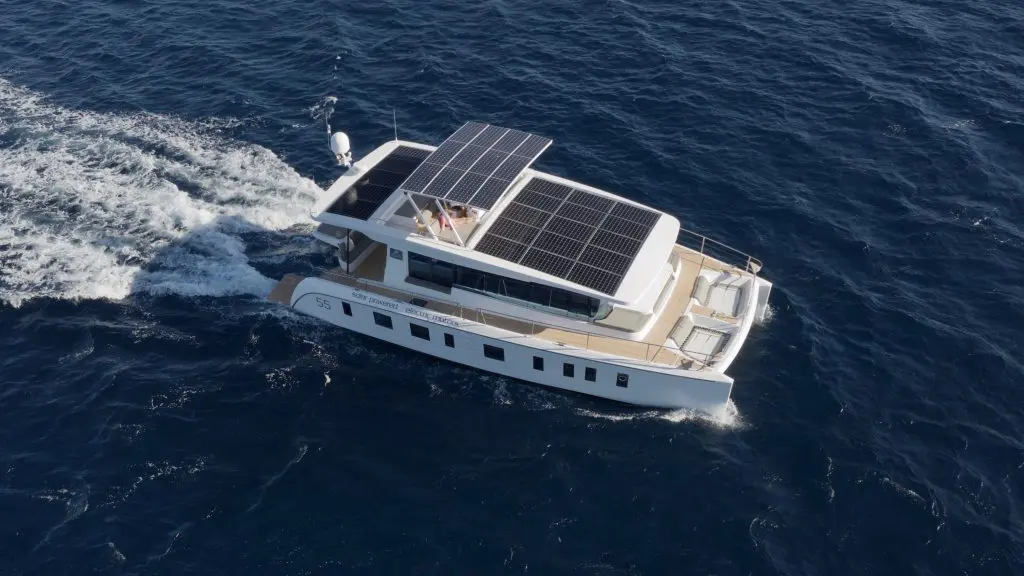
Solar power is starting to make its way into ship propulsion – it was first used for this purpose back in 2008. The big advantage is that solar cuts down a ton on harmful CO2 emissions. And these solar propulsion systems can generate up to 40 kilowatts of power, which is pretty impressive. It’s an emerging eco-friendly option for powering vessels.
Biodiesel fuel propulsion
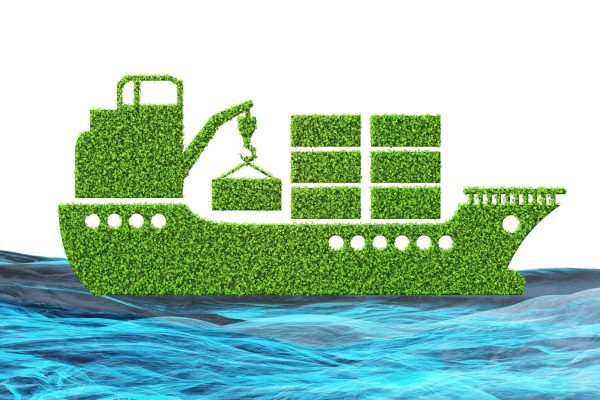
Biodiesel is being looked at as a possible future option for marine propulsion. Tests are underway to assess the viability of this system, with the expectation that biodiesel-powered ships could be in full operation by 2017.
Gas Fuel or Tri Fuel Propulsion
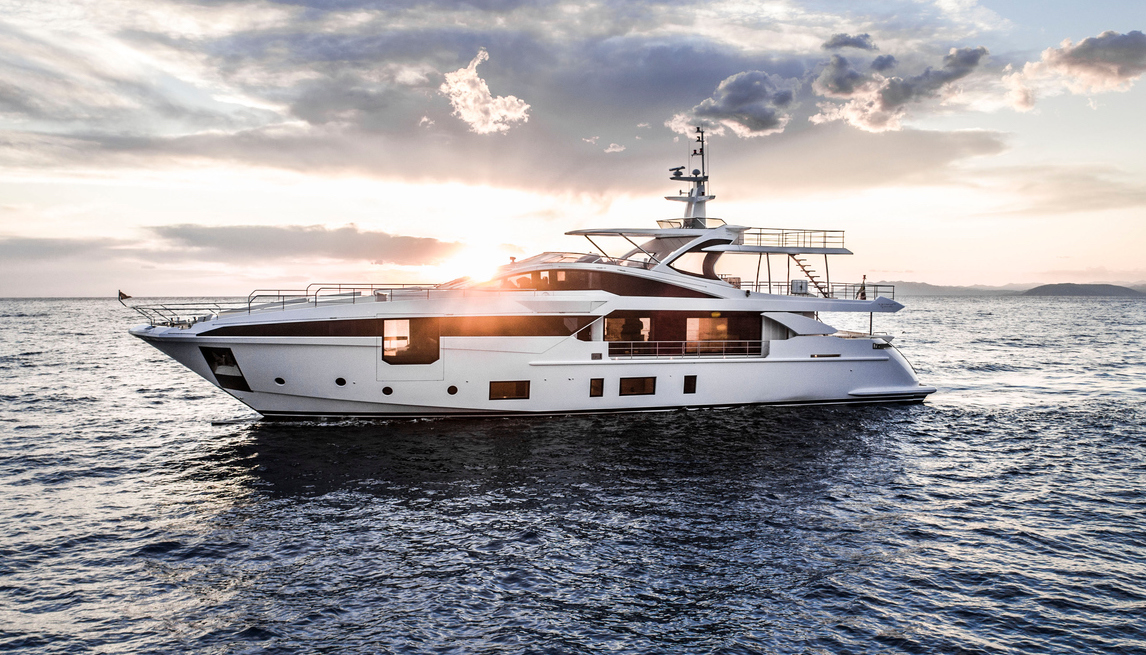
LNG (Liquefied Natural Gas) is starting to be used as a ship fuel. With some modifications to the propulsion engines, LNG can now be burned to power the main engines, reducing emissions. It’s considered a “tri-fuel” system because it can run on gas, diesel, or heavy fuel oil.
Water Jet Propulsion
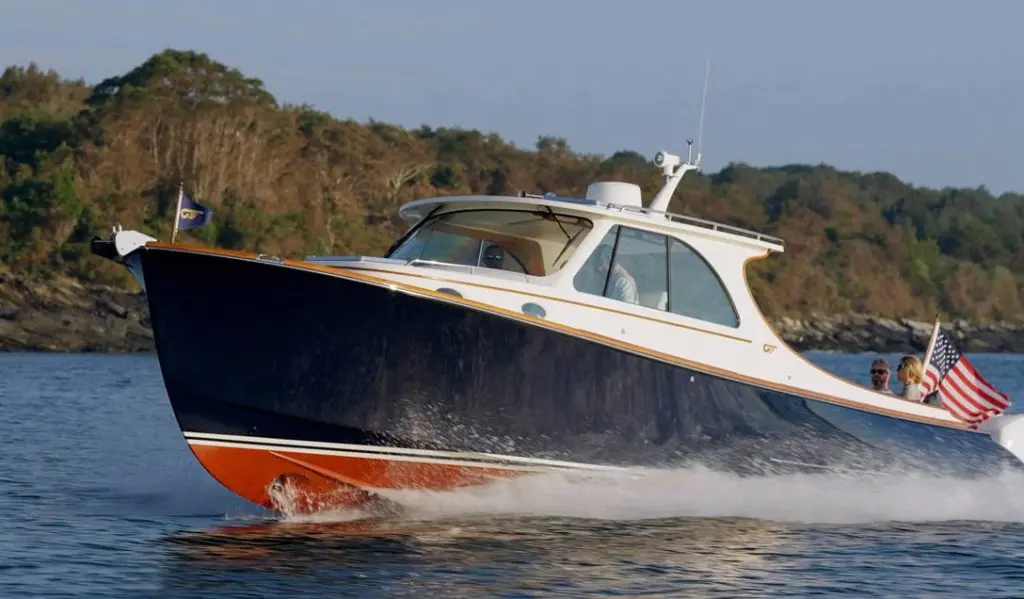
Water-jet propulsion has been around since the 1950s. The big advantage is that it’s quiet and allows ships to reach high speeds. However, the downside is that water-jet systems can be more expensive to maintain, which can be an issue for some vessel operators.
We’ve run through the main marine propulsion systems, but the industry is always cooking up new ideas. They’re looking at all kinds of alternative fuels these days – LPG, biogas, methanol, synthetic diesel, even ammonia. As the world calls for cleaner shipping, it’s gonna be really interesting to see what kind of innovative tech the industry comes up with in the next few decades. I bet we’re gonna see some wild new propulsion systems that can really compete with the current standards. It’s a fast-paced field, for sure, and the future of how ships get powered is gonna be pretty exciting to watch. If you want to learn more about boating, check out ‘Different Boat Engine Types‘ to help you choose the best option for you.
Frequently asked questions
What propulsion do most boats for sale in Sydney have?
On the pre-owned market we sell from Mosman, sports cruisers under about 12 m are mostly petrol or diesel sterndrives or outboards, flybridge cruisers and trawlers over 12 m are mostly twin diesel shaft drives, and newer motor yachts increasingly use pod drives such as Volvo Penta IPS with joystick docking.
Shaft drive or sterndrive: which is better?
Shaft drives are simpler, robust and cheaper to maintain in the long run, but less efficient and the boat sits deeper in the water. Sterndrives are more efficient and trim for speed, but the leg and bellows need regular servicing and can be costly to repair as they age. For a boat kept in the water year-round, many Sydney owners prefer shaft drives.
Are electric boats practical in Australia?
For harbour and estuary use, yes: electric launches and hybrid tenders are already on the water, and range keeps improving. For offshore or long passages, diesel remains the practical choice for now because of energy density and the limited charging infrastructure at marinas.
MORE ARTICLES