If you’re thinking about selling your boat through a broker, the first question is usually the same: what’s it going to cost me? It’s a fair question, and one the industry doesn’t always answer clearly. Here’s a straightforward look at how boat brokerage fees work in Australia, what you get for the money, and how to weigh a broker’s commission against the real costs of selling privately.
How boat brokers charge
Most Australian boat brokers work on commission — a percentage of the final sale price, paid only when the boat sells. Commission rates vary with the value and type of vessel, so ask any broker you’re considering to put their rate and terms in writing before you list. On lower-value boats, some brokers set a minimum commission so smaller sales remain viable.
The important part: a reputable broker charges no commission up front. If the boat doesn’t sell, you don’t pay. Now, there are of course administration and marketing fees that you expect to pay when you sell a property or anything of high value. For the commission however, the structure keeps the broker’s incentive aligned with yours — they only get paid by achieving a sale, and a better price means a better outcome for both of you.
What the commission actually covers
A percentage of your sale price sounds like a lot until you list what a good broker does for it. At Davis Marine Brokerage, the commission covers the full process from appraisal to settlement.
Market appraisal and pricing strategy. Brokers see what boats actually sell for — not just asking prices. That data is the difference between a boat that sells in weeks and one that sits for a year quietly costing you berthing fees. Our boat valuation service starts exactly here, and you can see what we have recently sold.
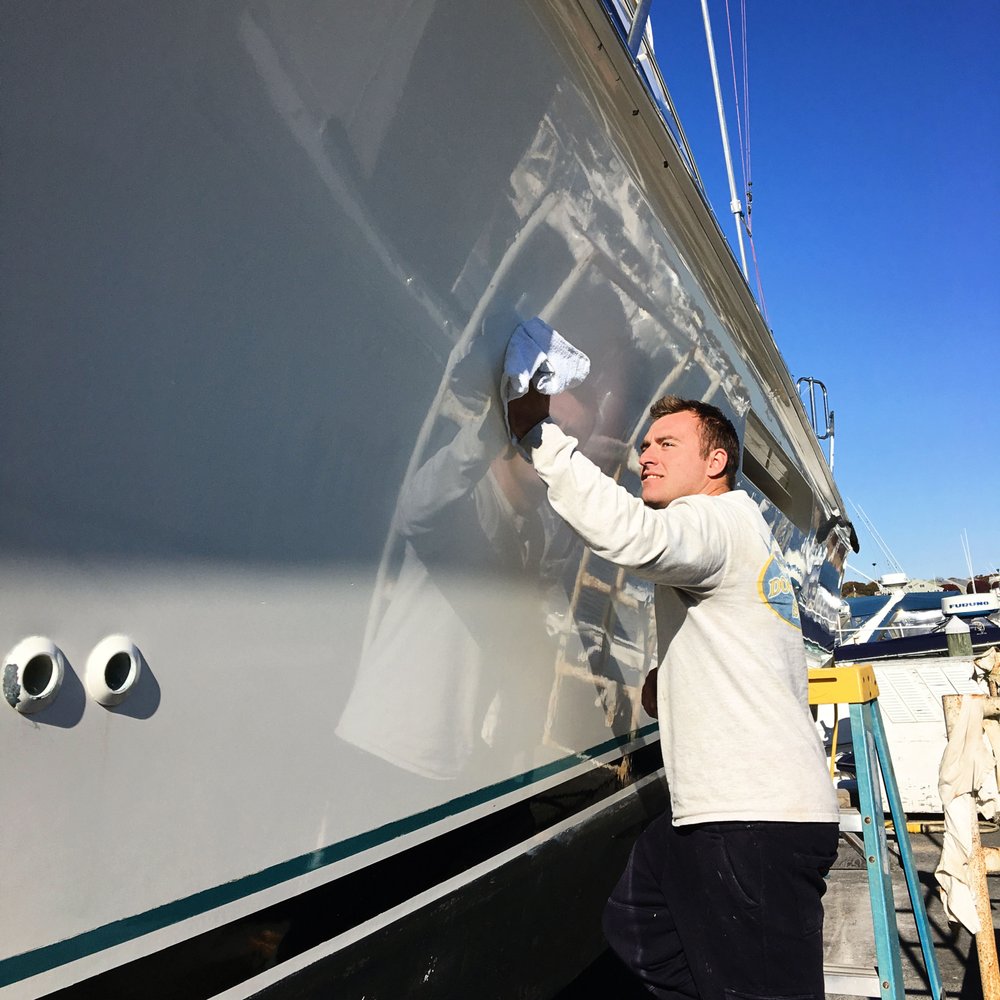
Sales preparation. Presentation sells boats. A broker coordinates detailing, servicing, and the small repairs that change a buyer’s first impression from “project” to “turn key” — see our sales preparation service.

Coordinating Professional marketing. High-quality photography and videography, listing correctly on the major portals (BoatSales, BoatsOnline, Yachtworld and others), social media campaigns, and email marketing to a database of qualified buyers.
Buyer qualification and inspections. The broker fields every enquiry, filters out the time-wasters, and hosts inspections — including the ones that get cancelled an hour before, on a weekend.
Negotiation. An experienced negotiator who knows the boat’s true market value, handling offers without the emotion an owner inevitably brings.
Contracts, trust account and settlement. The sale agreement, survey and sea trial coordination, secure handling of deposits in a trust account, organising the payout of any outstanding marine finance, and registration transfer paperwork.
The real cost of selling privately
Selling privately avoids commission, but it isn’t free. Count these costs honestly.
Advertising. Premium listings on the major boat sales portals are paid, and a single portal is rarely enough.
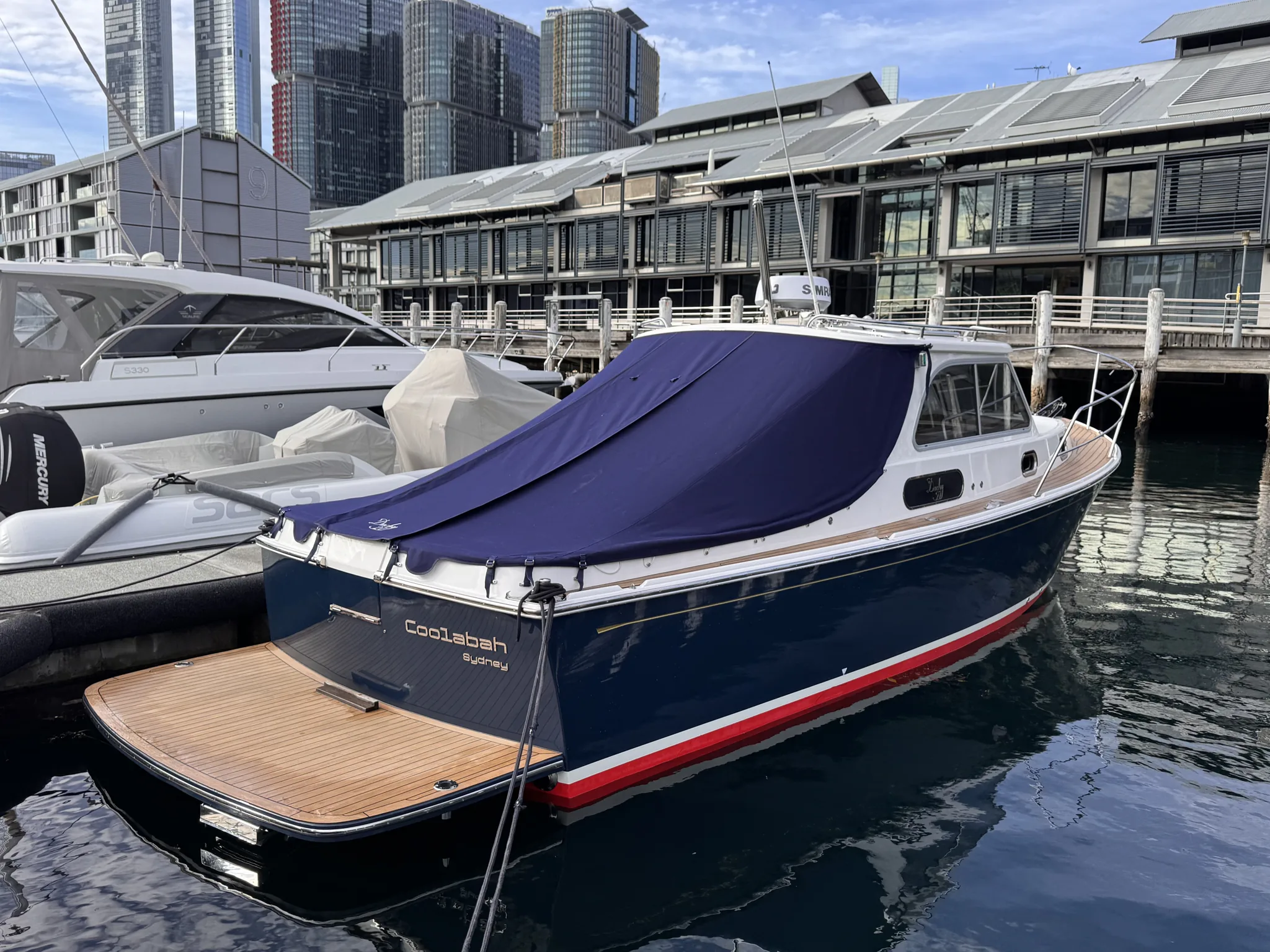
Holding costs. This is the one that catches most owners. Every extra month your boat takes to sell is another month of berthing or mooring fees, insurance, and maintenance. On a larger vessel in a Sydney marina, several months of holding costs can approach what you’d have paid in commission — and private sales are typically slower.
Your time. Enquiries, inspections, sea trials, negotiation, paperwork. If your time has value, price it in.
Pricing risk. Overprice and the boat goes stale on the market; underprice and you’ve lost more than any commission. Without access to sold-price data, private sellers are guessing at both ends. If you are weighing this up, read should I sell my boat myself or use a broker? and how much is my boat worth?.
Questions to ask any broker before you sign
Before listing with anyone — including us — ask these questions and expect clear answers: What is your commission rate and is there a minimum fee? Is the agreement exclusive, and for how long? Where exactly will my boat be advertised? How do you handle deposits — is there a trust account? What boats like mine have you sold recently, and what did they actually sell for?
A broker who hesitates on any of these is telling you something.
The bottom line
Brokerage commission is worth paying to get the results — through a faster sale, a better price, and a process you don’t have to manage. When comparing your options, weigh the commission against the holding costs and time a private sale demands, and the price risk of selling without sold-price data.
If you’d like a specific number for your boat, we’ll give you one: a free, no-obligation appraisal and a clear explanation of our fee for your vessel. Call 0408 864 111 or request a free valuation via our Sell My Boat page.
MORE ARTICLES