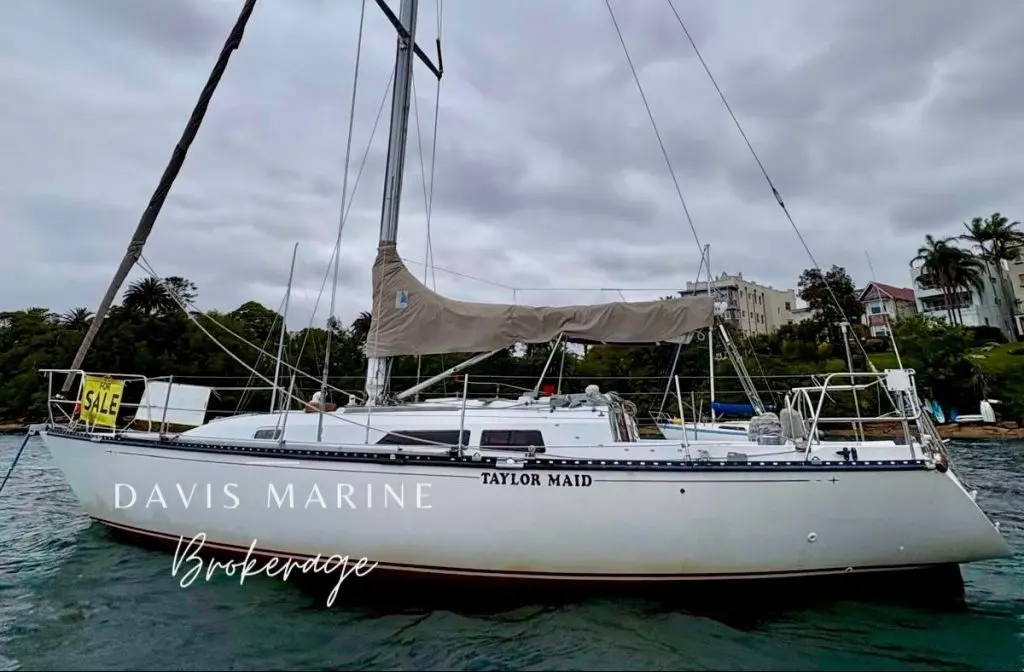
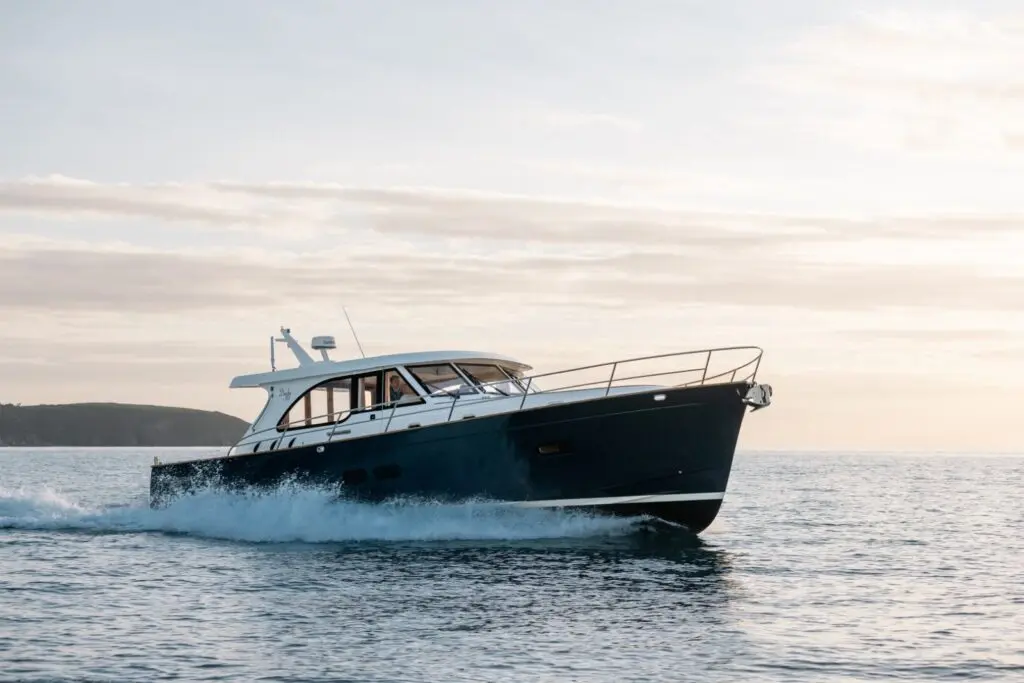
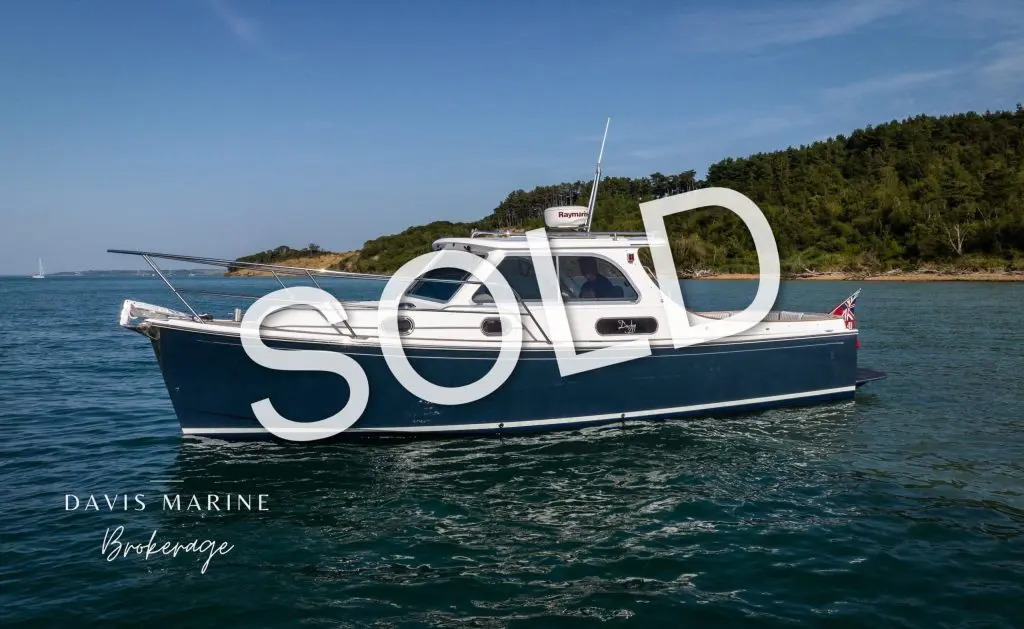
A sailboat is defined by how it is propelled — by sail. A yacht is defined by size and purpose — a recreational vessel, generally over about 10 metres, built for leisure rather than work. The categories overlap: a large sailing vessel is both. A 12m motor cruiser is a yacht but not a sailboat.
Why the terms confuse people
The confusion exists because the two words classify along different axes. “Sailboat” answers how does it move? “Yacht” answers what is it for, and how big is it? They are not opposites, and a vessel can be both, either, or neither.
- A 14m sailing vessel: both a sailboat and a yacht
- A 14m motor cruiser: a yacht, not a sailboat
- A 5m dinghy with a sail: a sailboat, not a yacht
- A 14m commercial fishing trawler: neither — it is a workboat
The word “yacht” comes from the Dutch jacht, a light fast vessel used to chase pirates and smugglers, later adopted for the pleasure craft of royalty. That origin explains why it still carries connotations of leisure and status rather than any technical specification.
Where the size line sits
There is no legal definition, which is why you will see different numbers quoted. In practice, in the Australian market:
| Term | Typical length | Notes |
|---|---|---|
| Dinghy / tender | Under 5m | Often carried by a larger vessel |
| Runabout / day boat | 5–8m | Day use, trailerable |
| Cruiser | 8–12m | Overnight capable |
| Yacht | 10m+ | The line is fuzzy between 10–12m |
| Superyacht | 24m+ | Generally professionally crewed |
| Megayacht | 50m+ | Term used loosely |
The 24m mark for superyachts is not arbitrary — it aligns with commercial survey and crewing thresholds in several jurisdictions, which is why it is the most consistently used boundary of the lot.
Sailing yacht vs motor yacht
Sailing yacht. Primarily wind-powered with an auxiliary engine. Slower, quieter, far cheaper to run, and a genuinely different pastime — sailing is the activity, not just the transport. Requires more skill and more crew.
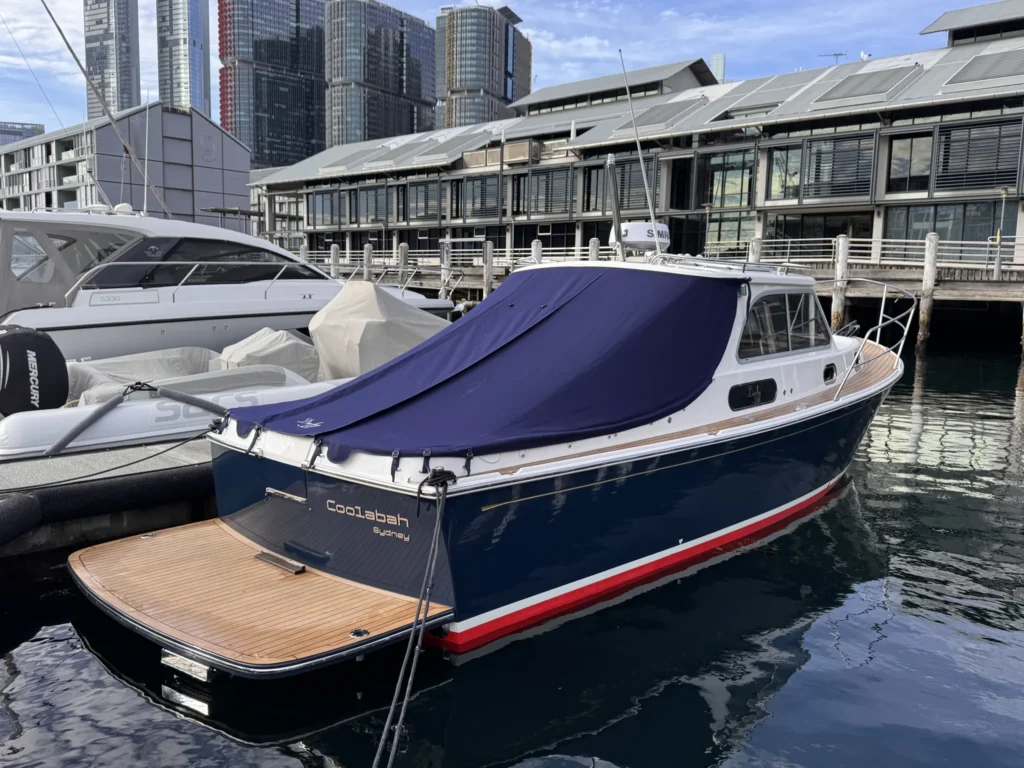
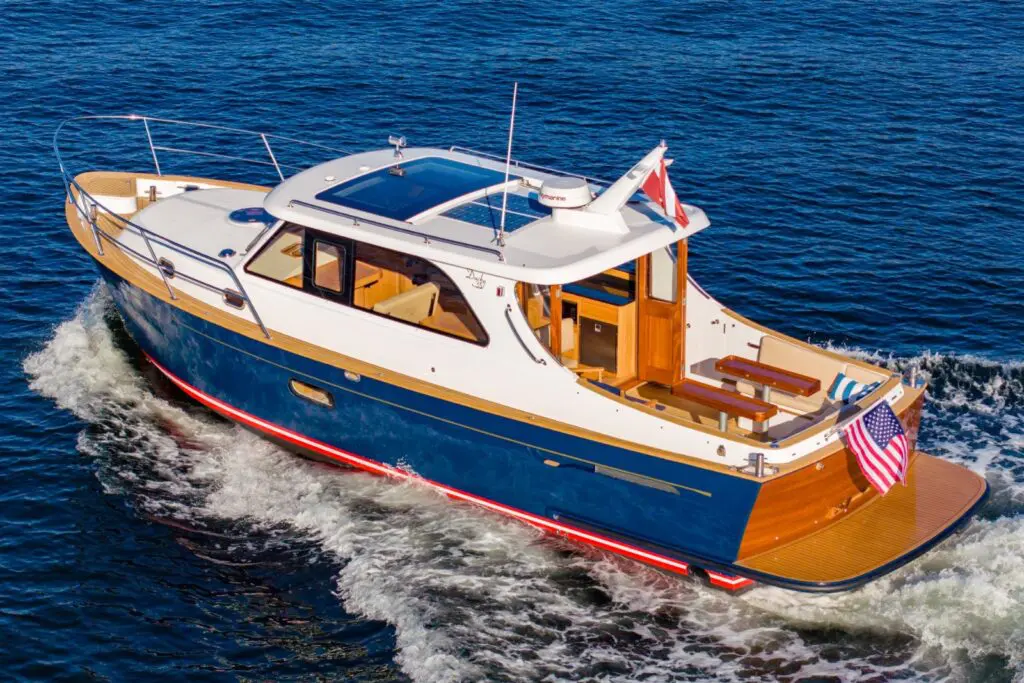
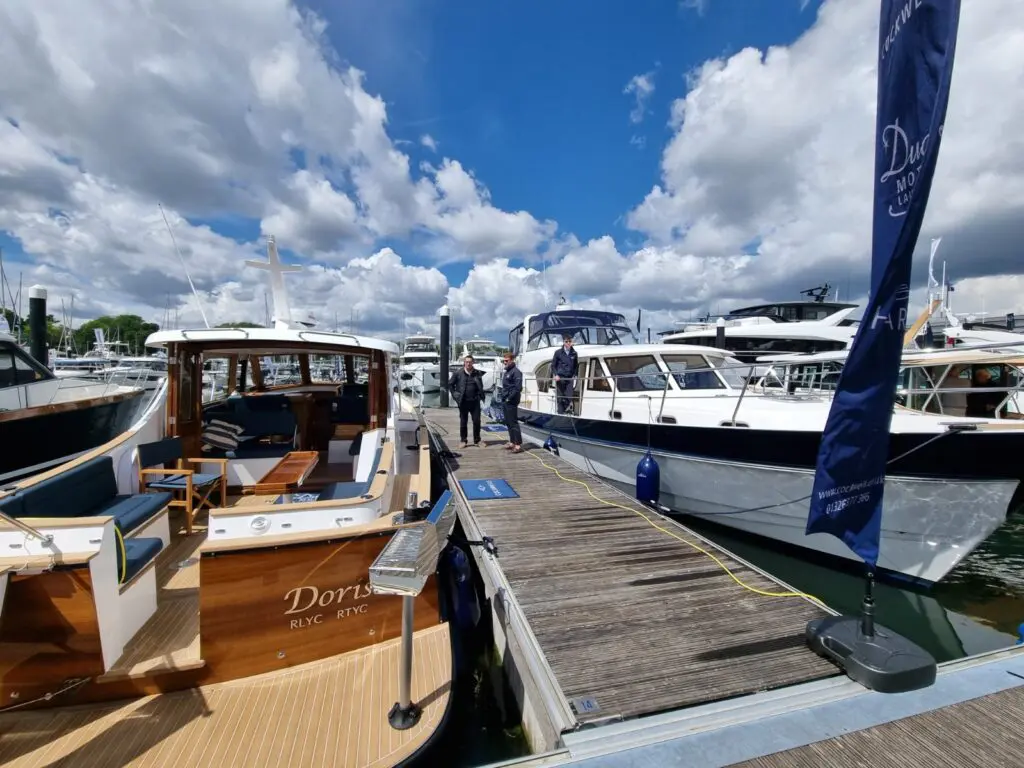
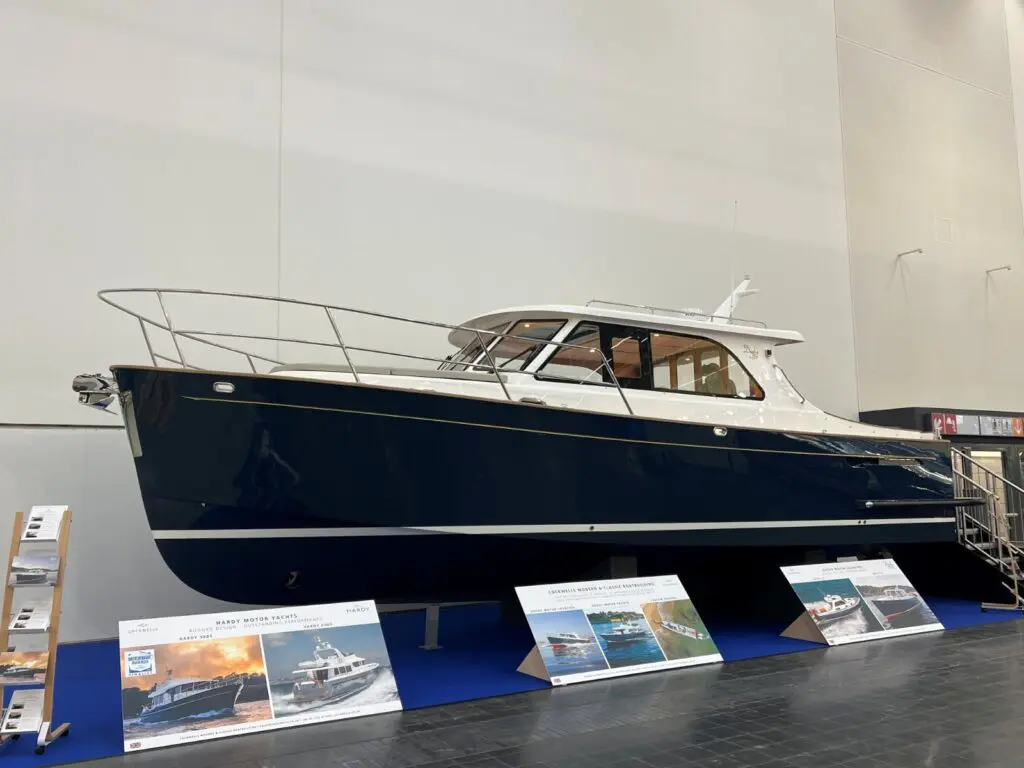
Motor yacht. Engine-driven. Faster, more interior volume for a given length, simpler to operate short-handed, considerably more expensive to run. Most of the Sydney Harbour market sits here.
Motorsailer. A compromise, historically popular, now uncommon.
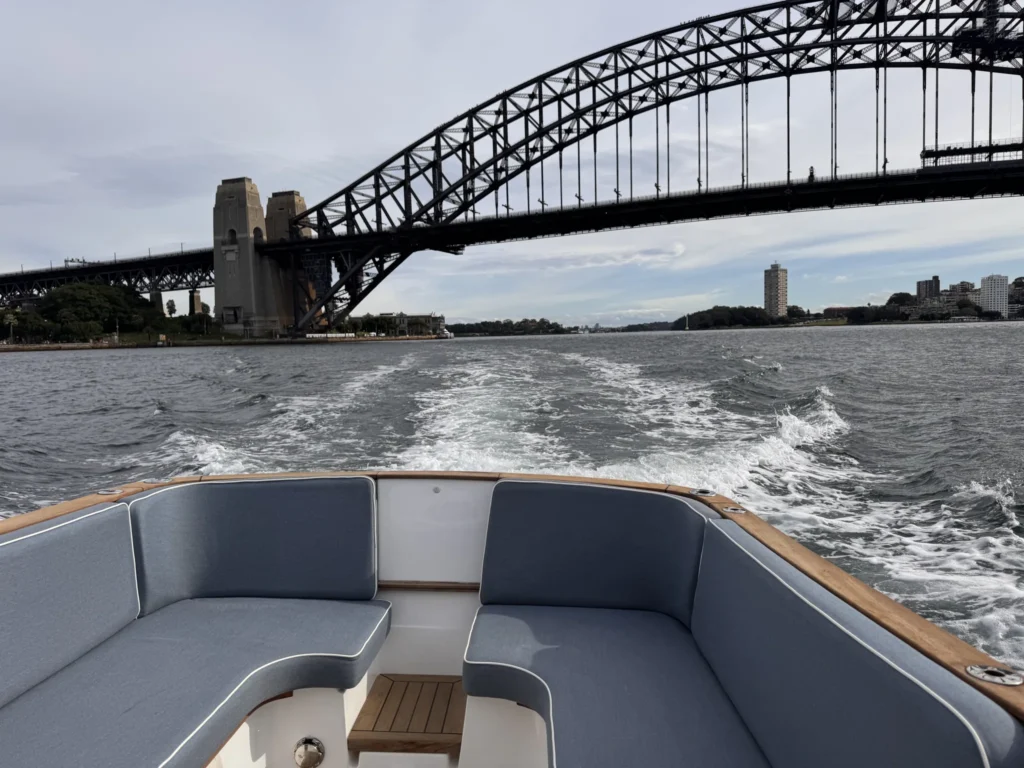
On Sydney Harbour the motor yacht dominates — short runs, protected water, and the way people actually use boats here (day trips, entertaining, overnight to Pittwater or the Hawkesbury) suits power far better than sail.
Does the distinction matter when buying?
For most buyers, arguing about terminology is less useful than getting clear on four things.
Running cost. Sail is dramatically cheaper to operate. Fuel on a 14m motor yacht is a serious line item; on a sailing yacht it is marginal.
Skill and crew. A 14m motor yacht can be handled by a competent couple. A 14m sailing yacht in a blow needs more hands or more skill.
Berthing. Sailing yachts need air draft consideration — check bridge clearances on your intended cruising ground.
Resale. Sailboats have declined heavily in popularity in recent years. The same could be said of many sailboats because of that fact. In the Sydney market, motor yachts on the whole, hold value better than sail, however for the popular makes and models, they are still holding good value in line with their popularity.
Frequently asked questions
What is the difference between a yacht and a sailboat?
A sailboat is defined by propulsion — powered by sail. A yacht is defined by size and purpose — a recreational vessel generally over about 10 metres. A large sailing vessel is both.
What makes a boat a yacht?
Size and purpose rather than any technical specification. There is no legal definition, but recreational vessels over roughly 10 metres built for leisure with accommodation are generally called yachts.
Is a yacht always a sailboat?
No. Motor yachts have no sails. “Yacht” covers both sailing and motor yachts.
How big does a boat have to be to be a yacht?
There is no fixed threshold. In Australia the line is usually drawn between 10 and 12 metres. Over 24 metres is generally a superyacht.
What is the difference between a yacht and a boat?
All yachts are boats. “Boat” is the general term; “yacht” implies a larger recreational vessel built for leisure rather than work or day use.
About the author
Sam Davis is the Director and Lead Broker at Davis Marine Brokerage, Fergusons Marina, Mosman. Brokering on Sydney Harbour for over a decade, he is a NSW State Councillor of the Boating Industry Association and the Australian and New Zealand dealer for Duchy, Hardy and Cockwells SuperYacht Tenders.
MORE ARTICLES