
- Davis Marine
- Boat services
- Engines and servicing
Engines & servicing · Sydney Harbour
Boat Engine Servicing in Sydney
An engine failure in the middle of nowhere is one of the last experiences you want. Looking after an engine is far cheaper than fixing one — and a well–maintained engine burns less fuel, pollutes less and starts every time.
The short answer
How often should I service my boat engine?
Follow the service schedule in your marine engine owner’s manual — it is the authority for your particular engine. As a general rule, this is where most boats sit.
Hours, or 12 months
Whichever comes first. Pod drive, stern drive, shaft driven or outboard — most engines want a basic service at 100 hours or annually.
Months for stern drives
Stern drives live half in the water and take the worst of it. They want looking at twice as often as the engine they are bolted to.
Days a year in saltwater
Your car is not parked in the sea. That single difference is why a boat engine on a car’s service schedule does not last.
Why the interval matters more than you think
A boat engine is not a car engine
An annual engine service is not that different to taking the car to the garage. The crucial difference is that your car is not kept in saltwater, is not exposed to the worst of the elements, and gets used most days. A boat sits, often for months, in a corrosive environment, and then gets asked to start first time and run hard.
If cars were treated that way you would soon know about it. Boats have to be maintained to withstand it — which is exactly why preventative servicing works out cheaper than repair, and why the boats we look after under vessel management almost never have a failure that ruins a weekend.
Know what you are paying for
What a basic service actually includes
The left column is the job. The right column is what separates a proper service shop from someone changing the oil and handing you an invoice — ask whoever services your boat whether they do these.

The basic service
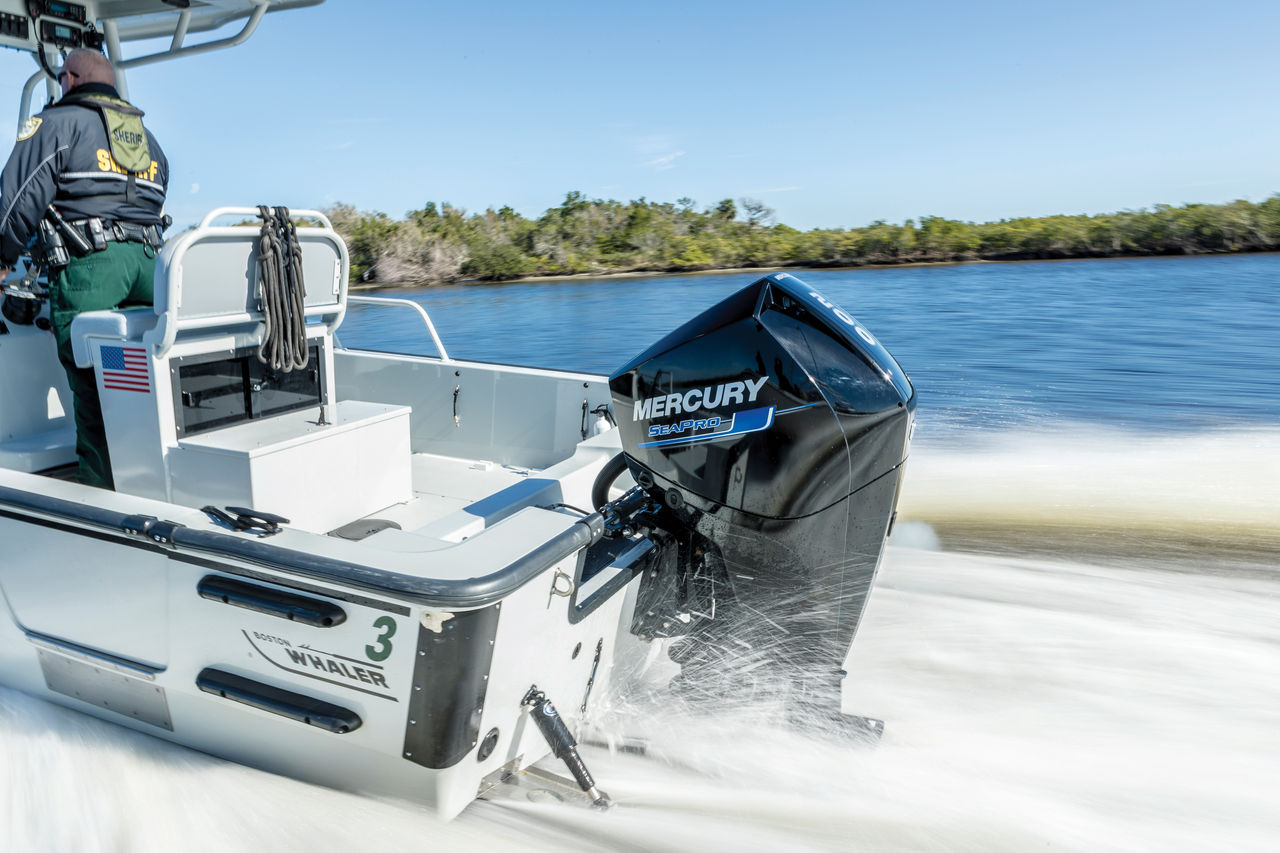
Every 100 hours or annually- Oil and filter change, for four–stroke engines
- Gearcase lubricant changed on outboard and sterndrive engines
- Fuel filter element changed
- Spark plugs checked or replaced
A good shop also checks
The bits people skip- The accessory belt on sterndrive and inboard engines
- Sacrificial anodes inspected and replaced as required
- Condition of power steering and hydraulic trim fluid
- Water pump impeller changed on schedule
- Belts and pulleys
- Corrosion checked and treated
The impeller is the one to watch. A rubber water pump impeller is a cheap part that, when it lets go, can cost you an engine. It is also the item most commonly left on “we will do it next time”. If nobody can tell you when yours was last changed, it is due. Anodes are the same story on a different timescale — see hull antifouling, where the underwater ones get replaced.
Whatever is bolted in the back
What we service
Inboard, sterndrive, pod and outboard — and the drive train behind each of them.
-

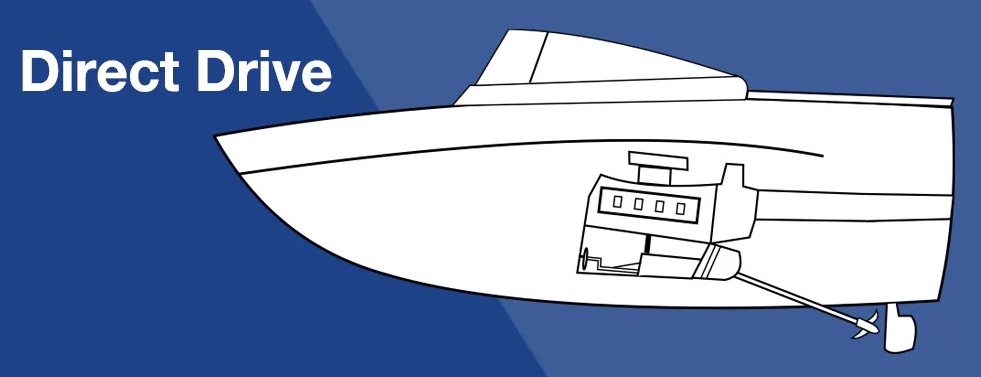
Inboard — direct drive
Conventional shaft drive servicing, plus shaft seals, cutless bearings and the running gear that goes with them. Best done while she is out for an antifoul.
-
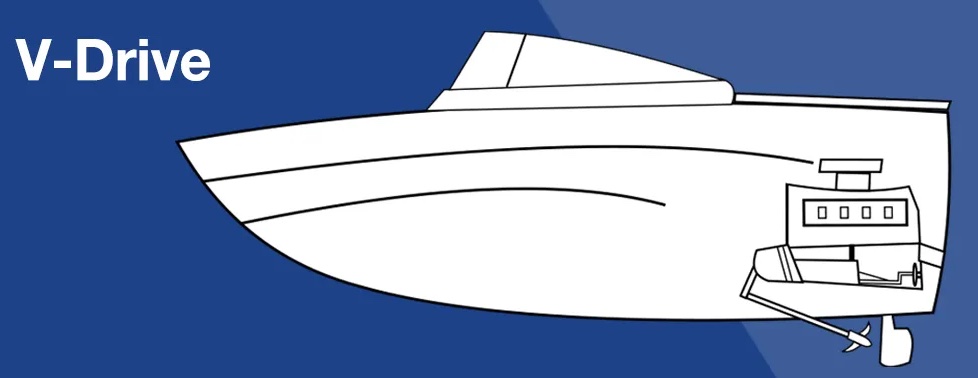
Inboard — V–drive
Same engine service, tighter engine bay, more awkward access. Worth having someone who has done it before rather than someone learning on your boat.
-
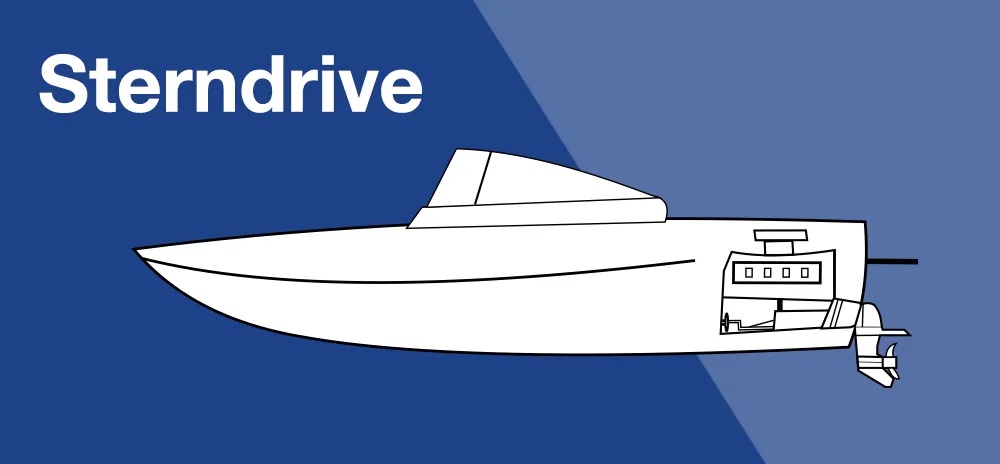
Sterndrive
Six–monthly attention: gearcase lubricant, bellows, anodes, trim fluid and the drive itself. The drive is the part that fails, not usually the engine. Inboard vs outboard vs sterndrive.
-
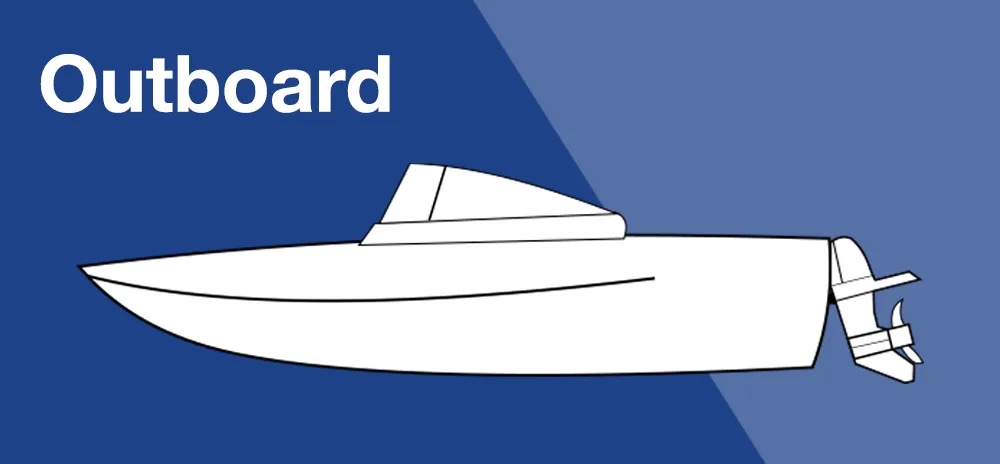
Outboards
Oil and filter, gearcase lubricant, plugs, impeller, anodes and a proper look at the leg. Two engines means two services — and two impellers.
We also handle IPS servicing and conventional shaft and stern drive servicing, belts and pulleys, and corrosion treatment. New to pods? Read what is Volvo IPS drive and marine propulsion systems explained.
Do not wait for the tow
Signs your engine is overdue
Most engine failures announce themselves weeks before they happen. These are the ones owners tell us about afterwards.
- She cranks longer than she used to before firing
- Temperature creeping higher than normal at cruise
- More smoke than usual on start–up, or the wrong colour
- Rough idle, or hunting revs at low speed
- Fuel burn up without you changing how you drive her
- Weeping, salt crust or rust streaks anywhere in the bay
- Weak or intermittent flow from the telltale
- Nobody can tell you when the impeller was last changed
Any of those and it is worth a look before your next trip. Get in touch and we will book it in.
The cheapest way to do it
Do it while she is already out
-
One lift, three jobs
If the boat is coming out for an antifoul, that is the moment to do the engine service, the running gear and the anodes. One lift, one hardstand booking, one trip for everyone involved.
-
We book it and meet them
We deal with the yard and the mechanic, we are at the boat when they turn up, and we check the work before it is signed off. You get the service report, not a game of telephone.
-
And we keep the record
What was done, when, and at how many hours. That record is worth real money the day the boat goes on the market — see sales preparation and sell my boat.
Engine servicing, answered
Frequently asked questions
How often should I service my boat engine?
Follow the schedule in your marine engine owner’s manual. As a general rule, most engines — pod drive, stern drive, shaft driven or outboard — need a basic service every 100 hours or annually, whichever comes first. Stern drives want attention every six months.
What is included in a basic boat engine service?
An oil and filter change on four–stroke engines, a gearcase lubricant change on outboards and sterndrives, a new fuel filter element, and spark plugs checked or replaced. A good service shop will also check the accessory belt, inspect and replace sacrificial anodes as required, check power steering and hydraulic trim fluid, and make sure the water pump impeller is changed on schedule.
Why do boat engines need servicing more often than car engines?
Because a boat lives in saltwater, is exposed to the worst of the weather, and often sits unused for months at a time before being asked to start first time and run hard. A car is none of those things. Treated on a car’s schedule, a boat engine will not last.
What happens if the water pump impeller is not changed?
The impeller is what pushes cooling water through the engine. When it degrades the engine overheats, and an overheated marine engine can be a very expensive repair or a replacement. The impeller itself is a cheap part on a schedule — which is why it is on the checklist and not left to chance.
Do you service outboards as well as inboards?
Yes — inboard, sterndrive, pod and outboard. We also handle IPS servicing and conventional shaft and stern drive servicing, belts and pulleys, and corrosion checks and treatment. If you are not sure what you have, read inboard, outboard and sterndrive compared.
Can the engine service be done at the same time as the antifoul?
Yes, and it is the cheapest way to do it. One lift, one hardstand booking, and the running gear and anodes are accessible at the same time. See hull antifouling.
Do I need to be there?
No. We coordinate the yard and the mechanic, meet them at the boat and check the work before it is signed off. Owners on vessel management often just receive the service report.
Does a service history matter when I sell?
Considerably. A buyer’s first question after “how many hours” is “when was it last serviced”, and a complete record answers it without argument. Boats with no history get discounted for the risk. See what is my boat worth.
Where can I get my boat engine serviced in Sydney?
We are based at Fergusons Marina and cover Sydney Harbour and the Lower North Shore — Mosman, Clontarf, Cammeray, Northbridge and the surrounding suburbs. Outside that we organise servicing Australia–wide through our partner network. We have also written a guide: where can I get my boat engine serviced in Sydney.
Is preventative servicing really cheaper than repairing?
Consistently. A properly maintained engine burns less fuel, produces fewer emissions and is far more reliable — and the alternative is a repair bill, a tow, and a weekend that does not happen. The engine is the most important component on the boat and the one people put off.
Davis Marine Brokerage
Book it before you need it
Tell us the engines, the hours and where she is kept. We will get her booked in and be there when it happens.