Learning how to anchor is really important for boaters. Whether you’re fishing, swimming, or staying overnight, knowing how to anchor is not only fun but also keeps you safe. If your boat’s engine fails or there’s a problem, a well-set anchor keeps your boat secure and stops it from drifting into dangerous areas or getting damaged near the shore.
You might not plan to anchor when you head out on the water, but these tips will help you be ready in case you need to set or retrieve your anchor.
Choosing the Right Anchor
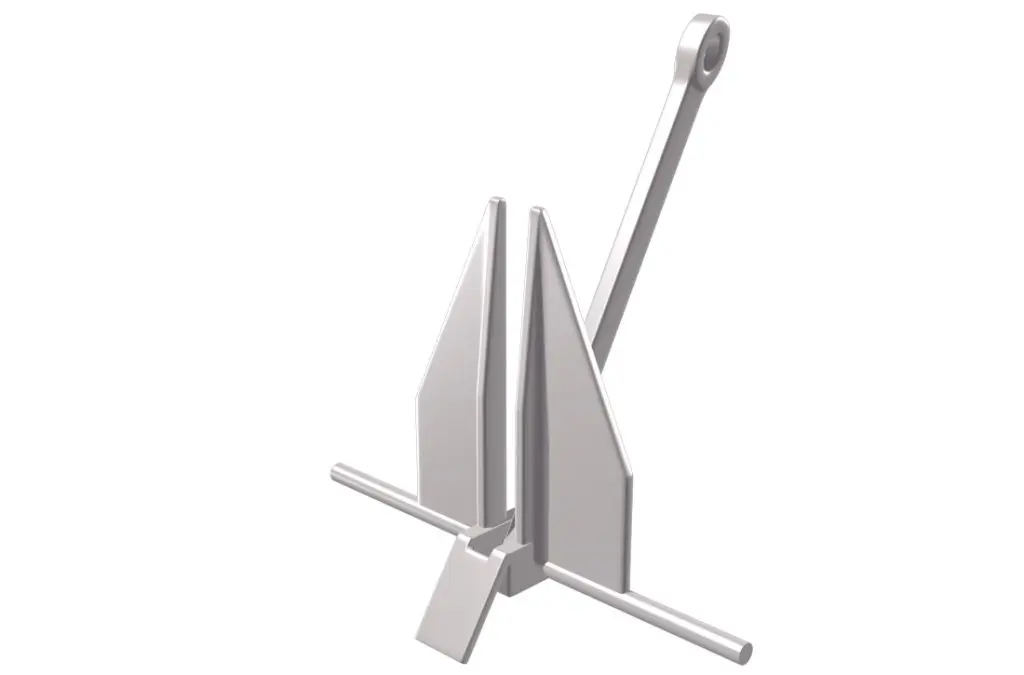
Danforth or Fluke Anchor
Choosing the right anchor for the type of seafloor you’re dealing with makes a big difference. For most small to medium-sized leisure boats, the danforth or fluke anchor is a good fit. They’re easy to store and fold up. The flukes on these anchors are designed to sink into sand and hard-muddy bottoms. But they aren’t as effective on grassy or softer muddy floors.
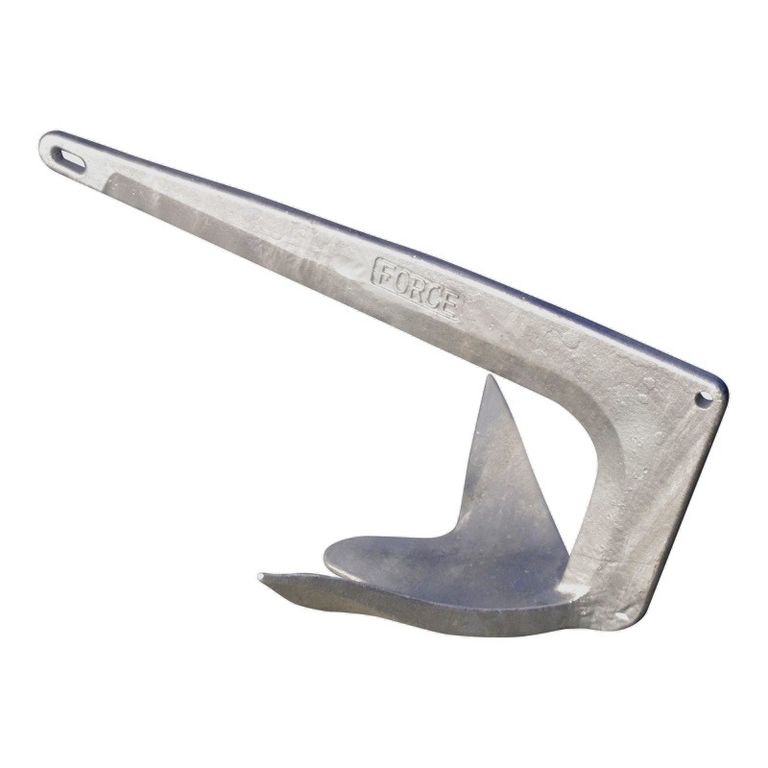
Plough or Claw Anchor
Other options, like the plough or claw anchor, don’t fold down but work well on a wider range of seafloors. The plough anchor is bigger than the danforth and has a bit more strength, making it good for light grass and holding onto rocky or soft bottoms. The claw anchor is similar but has a wider scoop on the base, making it great for soft and deep muddy bottoms.
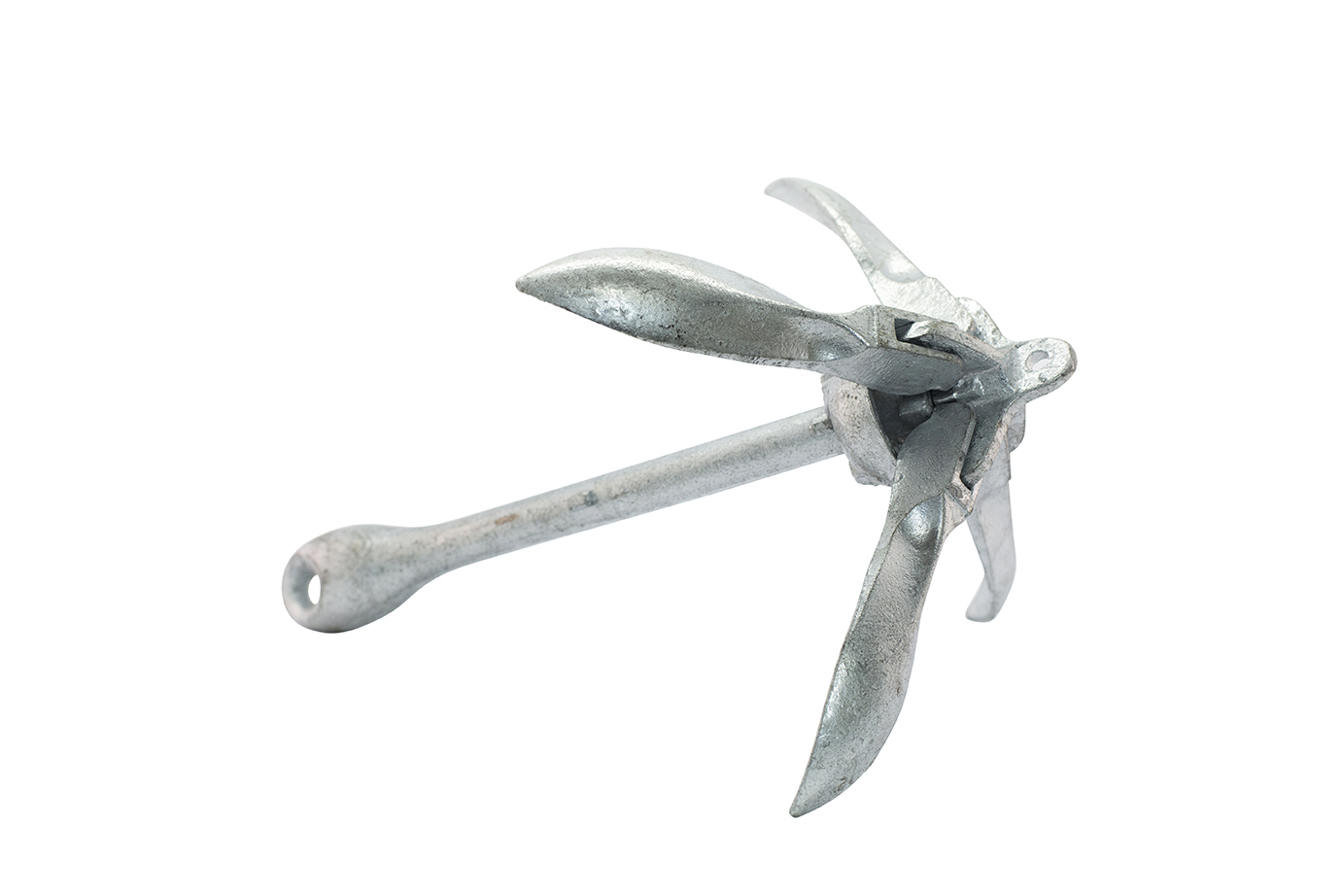
Grapnel Anchor
There are other types too. The grapnel anchor looks like a grappling hook and is used to anchor to structures like rocks or timber on the bottom, instead of directly into the sea floor. Reef anchors have tips that bend around to form a half-loop, which helps grab onto things like coral and rocks. You can straighten them to release the anchor from a snag.
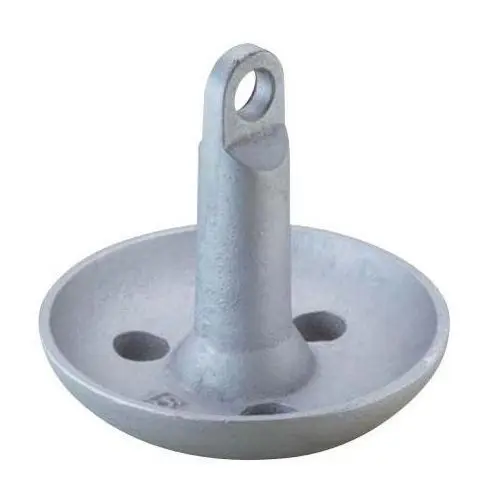
Mushroom Anchor
Lastly, there’s the mushroom anchor. It doesn’t hold as strongly, so it’s mostly used for small aluminum fishing boats or dinghies that can anchor in very soft and muddy conditions.
The Perfect Way to Anchor
1. Find a good spot to anchor and turn the front of your boat into the wind.
2. Check how deep the water is using your depth gauge. This helps you figure out the right length of chain or rope to use for anchoring. Common ratios are 3:1 with no wind, 4:1 with some wind, and 5:1 in bad conditions or for overnight stays. More length means less strain on the anchor, reducing the chance of it coming loose and drifting.
3. Lower the anchor into the water and keep an eye on your chain counter to set the right length. If you don’t have a counter, you’ll need to estimate and watch the chain as it goes out from the front of the boat.
4. Let the wind and current push you back so that the chain and rope are laid out nicely, or gently reverse the boat if there’s no wind or current. Once the chain is laid out, use reverse gear to dig the anchor into the seabed.
5. After the anchor is set, choose 2 or 3 land markers to make sure you’re not drifting. You want to be sure that the anchor is holding and not dragging along the bottom. You can also use position keeping software on your chartplotter to help you stay in place.
6. Use the winch safety device to take the weight off the clutch plate. If your winch doesn’t have this feature, you can use a rope to take the tension off the chain and secure it at the front cleats of the boat.
How to Bring Up Your Anchor?
To bring up the anchor, drive your boat slowly towards the anchor while pulling in the chain. When you’re right above the anchor, it should come loose. If it’s stuck, try slowly turning the boat in a big circle to change the direction of the pull on the rope.
Another method is to pull up the chain until the boat is directly above the anchor, and then use a rope to hook the chain onto a cleat. Pull the rope tight when the front of your boat goes down into the bottom of a wave, and when the next wave lifts the boat, it might pull the anchor free.
What to Do If Your Anchor Gets Stuck?
If your anchor gets stuck, you can try using the boat’s movement on the waves to free it. Give the methods mentioned earlier a few tries. Drive the boat in the opposite direction of the anchor line to pull it from a different angle, but be careful not to get it tangled in any motors or pumps. However, if you’ve tried everything and still can’t retrieve it, it might be best to cut the line and get a new anchor. It’s much cheaper to replace an anchor than to recover a sunken boat!
Now that you know how to anchor your boat, it’s time to head to the waters and start having fun! Here are some nice anchoring spots around Sydney Harbour, Pittwater, Hawkesbury, and Brisbane Water. If you’re into finding some great dining spots, you should definitely check out these articles: Where can I pull up for food on Sydney Harbour? and Where can I pull up for food on Pittwater, Hawkesbury, and Brisbane? Happy cruising!
MORE ARTICLES